The dental industry has shifted from messy silicone impressions to streamlined digital workflows. At the heart of this transformation sits a specialized expert: the dental CAD CAM designer. While intraoral scanners and 5-axis milling machines are the hardware, the designer is the specialized intelligence that ensures every restoration is functional, aesthetic, and biologically sound.
Why the designer is the architect of the digital clinic
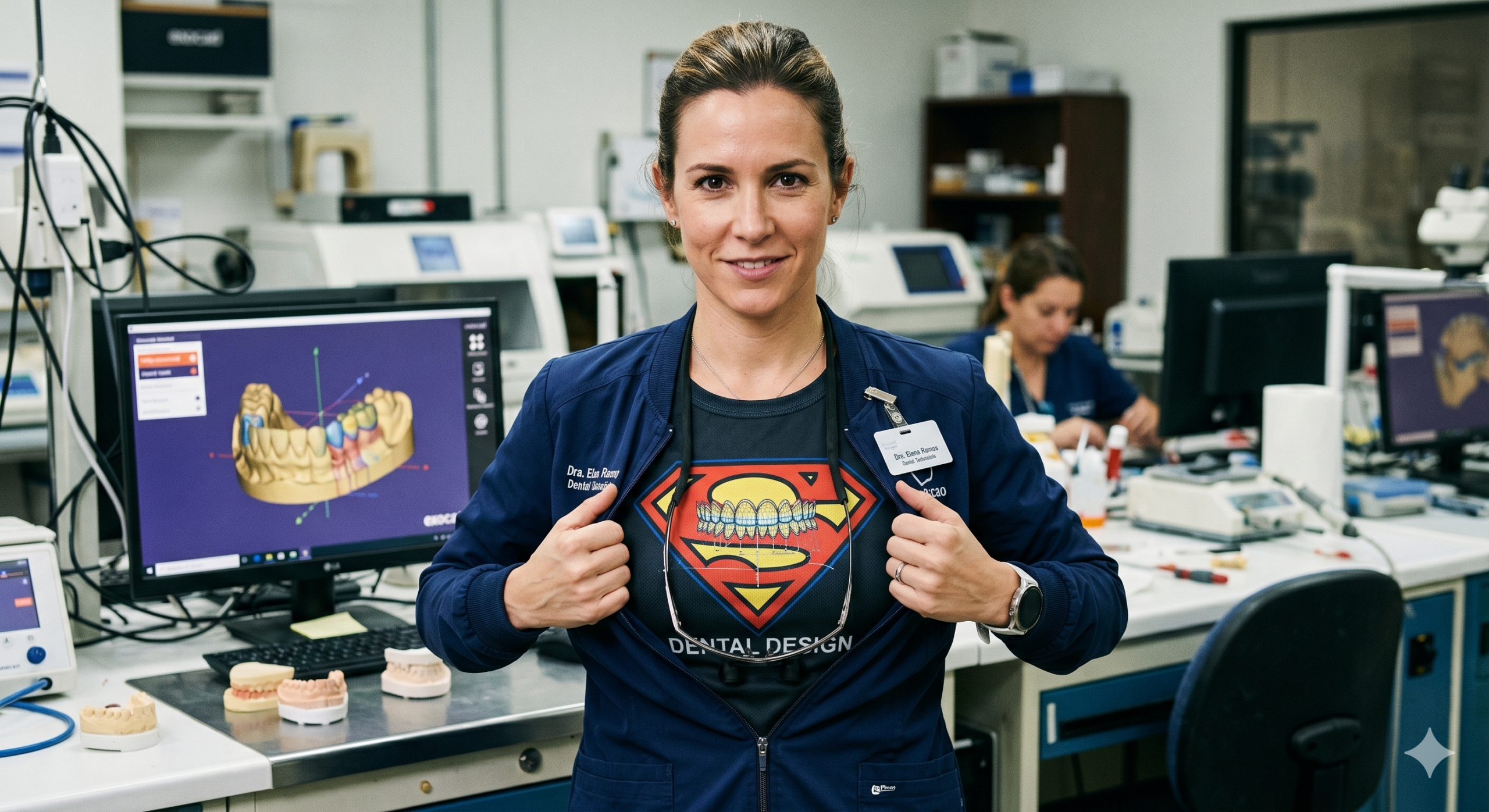
A dental CAD CAM designer does far more than operate software. They are digital architects who must master dental anatomy, material science, and mechanical engineering. In a modern clinic, the transition from a 3D scan to a physical crown or bridge relies entirely on the designer’s ability to interpret clinical data.
The impact of the designer on the final result is the primary factor in clinical success. A high-quality design minimizes the need for chairside adjustments, reducing patient discomfort and saving the dentist valuable time.
Key competencies of a professional dental CAD CAM designer
To provide maximum value, these professionals balance technical software skills with clinical knowledge:
- Digital impression processing: Refining raw scan data to ensure margins are clearly defined.
- Anatomic reconstruction: Designing teeth that match the patient’s existing dentition in shape and function.
- Occlusal management: Balancing the bite to prevent jaw pain or premature restoration failure.
- Material science: Selecting the correct parameters for zirconia, lithium disilicate, or composite resins.
Impact on clinical outcomes: Traditional vs. Digital
| Feature | Traditional Workflow | Digital Workflow |
| Accuracy | Prone to material shrinkage | Micron-level precision |
| Turnaround | 1 to 2 weeks | Same-day or 24 hours |
| Patient Fit | High chance of manual adjustment | Seamless “drop-in” fit |
| Predictability | Estimated outcome | Digitally simulated results |
Authority and the final clinical outcome
How much time does dental CAD design save compared to manual waxing?
The ultimate measure of a dental CAD CAM designer is the “fit.” When a restoration arrives from the mill, it must seat perfectly. If the designer lacks a deep understanding of the “minimum thickness” of materials or “cement gap” settings, the restoration may crack or feel bulky.
The designer serves as the final filter for quality. Their expertise ensures that the digital precision of the scanner translates into a comfortable, long-lasting smile for the patient.
Frequently asked questions about dental CAD CAM design
What software does a dental CAD CAM designer use?
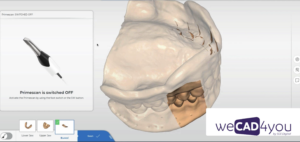
Most professionals use industry-standard platforms like Exocad, 3Shape, or Planmeca Romexis. These tools allow for precise manipulation of 3D meshes to create crowns, bridges, and veneers.
How does a designer improve clinic ROI?
By reducing remakes and shortening appointment times. A precise digital design ensures the dentist spends less time grinding the restoration at the chairside, allowing for more patient throughput.
Can AI replace a dental CAD CAM designer?
While AI can automate basic tooth shapes, a human designer is essential for complex cases, aesthetic matching, and verifying the biological compatibility of the design.
The future of digital dentistry
As AI begins to automate repetitive tasks, the role of the dental CAD CAM designer is evolving into that of a high-level clinical supervisor. They are the indispensable bridge between advanced technology and human healthcare, ensuring that every digital output meets the highest standard of patient care.