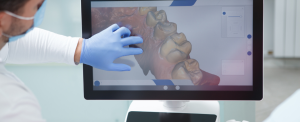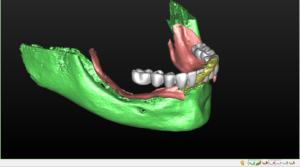
Although digital dentistry has advanced rapidly over the past decade, one essential stage often goes unnoticed: Computer-Aided Imaging (CAI). This first step is the foundation of every accurate restoration, yet it’s frequently underestimated compared to the more visible design and manufacturing phases. Understanding its role is key to achieving true digital precision.
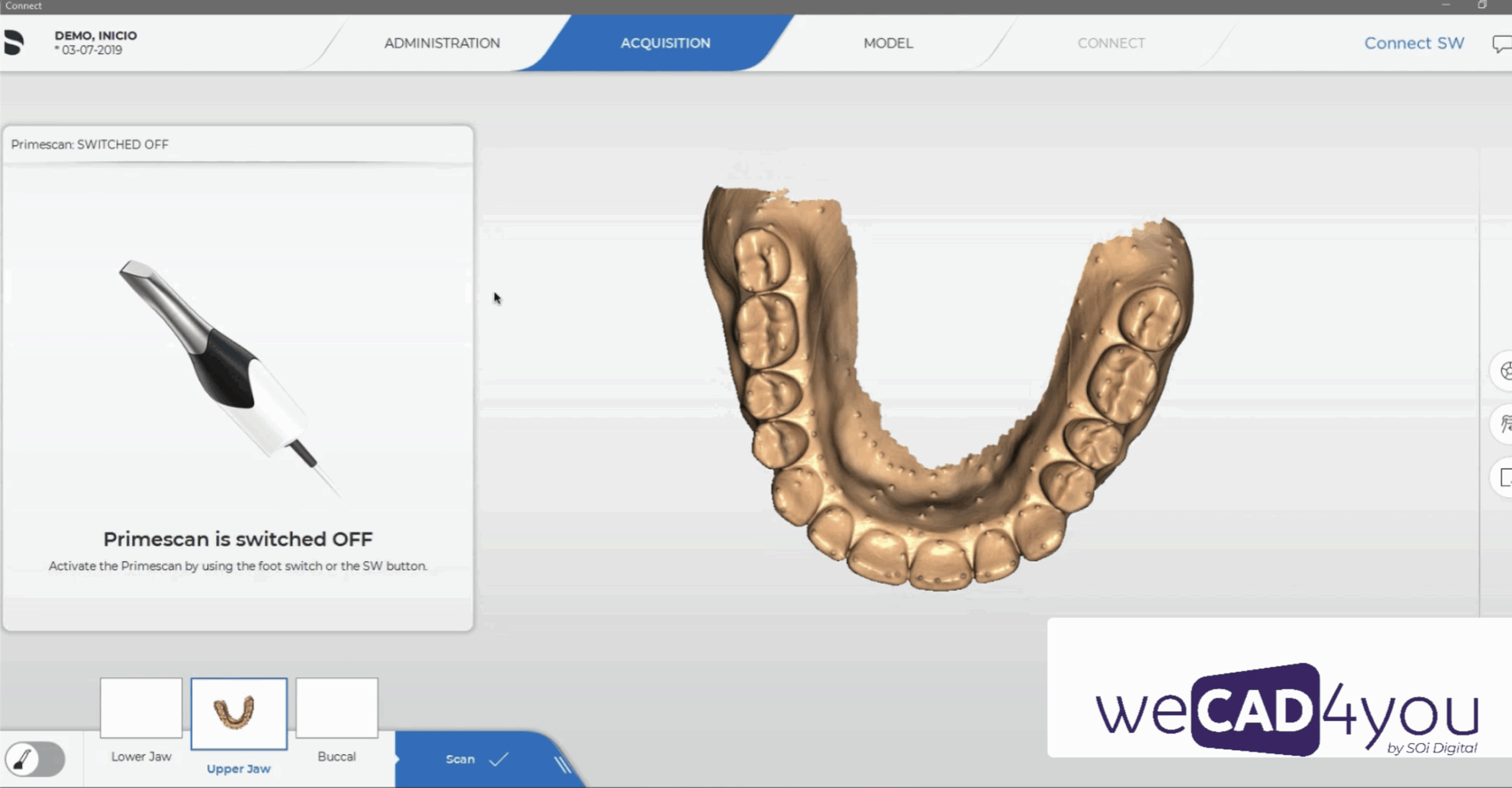
The digital workflow process in dentistry consists mainly of three stages:
- CAI / Computer-Aided Imaging
- CAD / Computer-Aided Design
- CAM / Computer-Aided Manufacturing
Currently, there are more than 30 different brands of intraoral scanners (IOS). They are not all the same, nor do they all offer the same capabilities. In general, some brands can be distinguished as high-end, providing the highest and most reliable accuracy for all types of procedures—especially full-arch cases and those requiring the scanning of mucosa or soft tissues, such as removable prostheses (partial or full dentures), smile design cases, occlusal protection devices, orthodontic treatments, and, of course, implant planning and rehabilitation.
Each IOS brand suggests specific scanning strategies. Nevertheless, the most important thing is to learn them thoroughly and follow them consistently as an expert. Technology alone does not guarantee results; mastering the learning curve through continuous and intentional practice is the best path.
At present, more than 70% of dental clinics worldwide already use some type of intraoral scanner. As several recent studies show, this is far from being a passing trend—it’s a growing movement that also compels dental laboratories serving these clinics to adopt the same technology.
The CAI stage corresponds to the impression-taking process. But it goes beyond that: during this phase of the digital workflow, the occlusal vertical dimension (OVD) can also be recorded, and additional information can be incorporated to support the design and manufacturing of rehabilitative devices for our patients.
Although CAI is the foundation of any digital workflow, it is often underestimated because attention tends to shift to design or manufacturing. However, every stage that follows depends on the precision and reliability of the data captured at this initial step.
For those of us committed to carrying out the digital workflow process in dentistry properly, it is essential to identify this element and place it in its rightful place.
Main Concept for Scan:
Understanding the way that the iOS gather the information for the following steps CAD/CAM system is paramount.
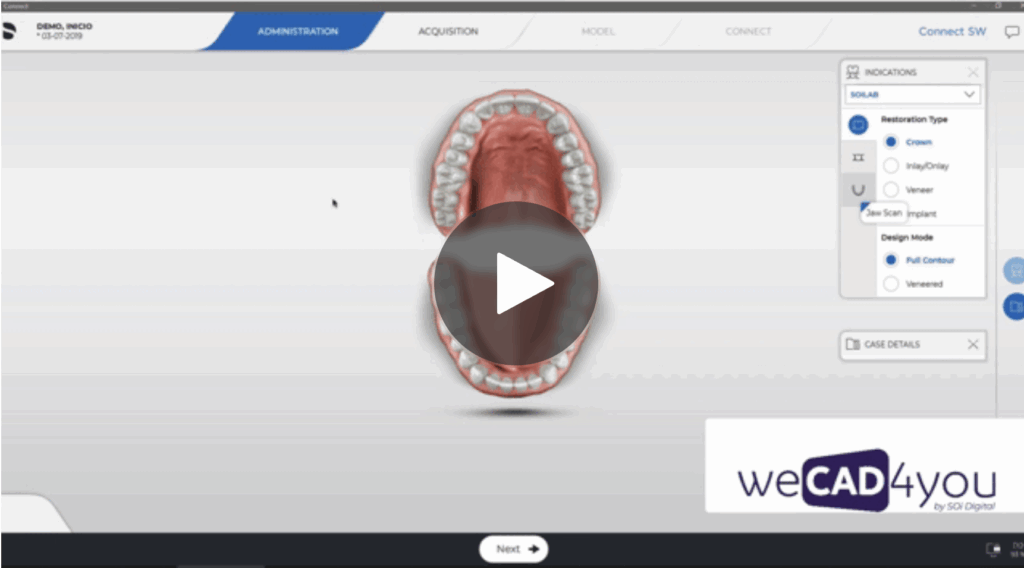
Indirect scanning strategy
We can see at the best way of taking a digital function no impression in a edentulous patient is through the indirect technique. We strongly believe that we provide you a better outcome.
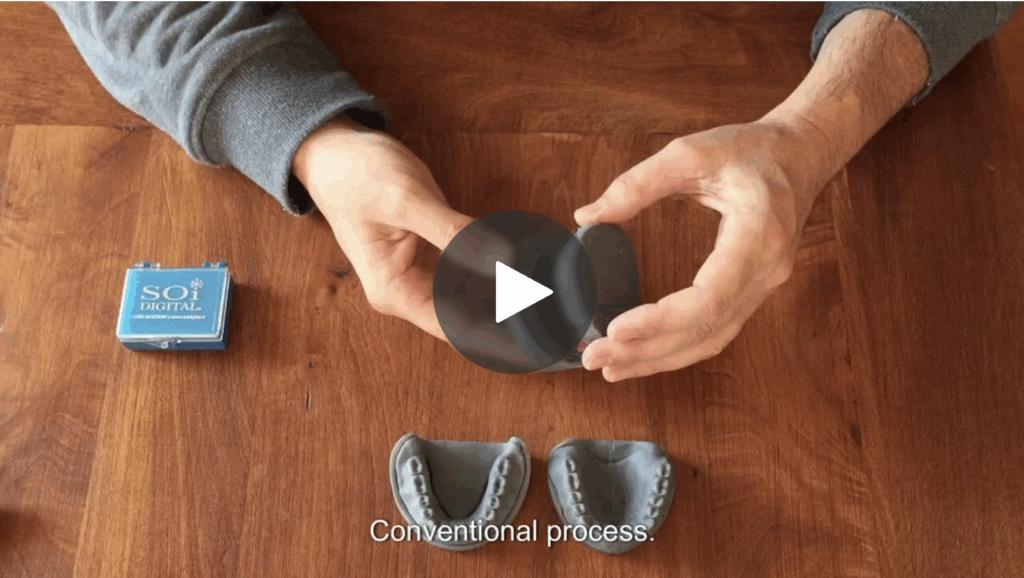
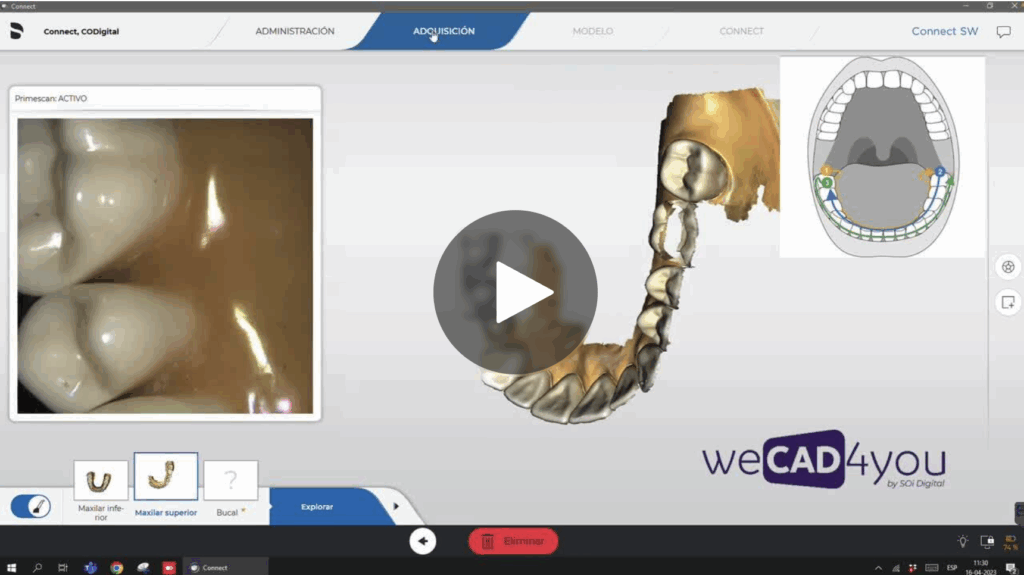
Scanning Technique
The best way to take the necessary records for designing and manufacturing and occlusal appliance. It’s a good strategy for full arch as well as approved clinical technique to establish the centric relation and the proper vertical dimension of the device.
By: Dr. Daslav Ilic