The landscape of aesthetic dentistry has shifted fundamentally. We have moved past the era of uniform, ultra-white restorations that disregard individual facial harmony. Today, achieving a predictable dental design smile protocol requires a precise blend of digital precision, advanced biomaterials, and a deep understanding of facial architecture.
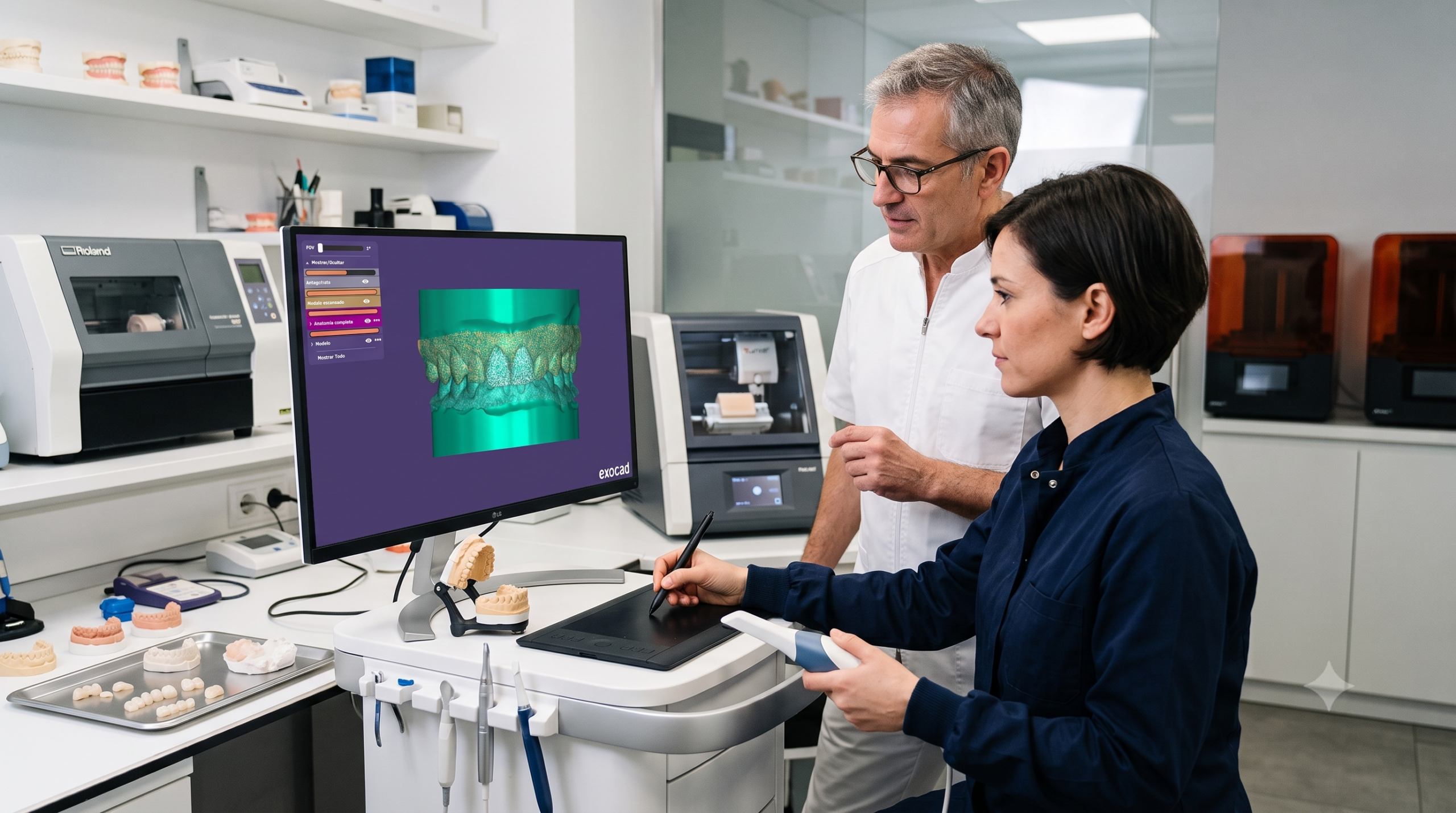
For modern clinics and dental laboratories looking to elevate their workflows, matching cutting-edge clinical execution with clear strategic insights regarding dental design smile prices and operational efficiency is essential for scaling high-case acceptance.
Here is how advanced clinical protocols and strategic CAD partnerships deliver predictable, elite-tier smile makeovers.
1. The digital blueprint: Moving from 2D to 4D simulation
A predictable outcome begins long before any tooth preparation. Relying solely on static 2D images often creates a disconnect between static design and dynamic facial movement.
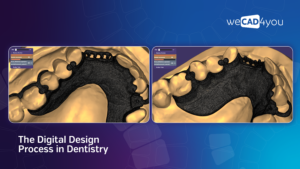
- Dynamic facial analysis: Implement 3D intraoral scans integrated with 4D jaw motion tracking. This ensures the proposed architecture accommodates real-time functional movements, such as phonetics and mastication.
- AI-assisted morphological selection: Modern CAD/CAM software leverages artificial intelligence to analyze the patient’s age, gender, and facial biotype to suggest optimized tooth shapes. This drastically reduces the initial design time while maintaining individual character.
- The diagnostic mock-up: Never bypass the physical mock-up stage. Translating the digital file into a bis-acryl provisional mock-up allows the patient to test drive their smile dynamically, verifying both phonetic adaptation and functional guidance.
2. Biomaterial selection based on biomechanical demands
High-end smile design requires balancing aesthetic translucency with structural longevity. Choosing the right material depends heavily on the patient’s occlusal forces and the level of underlying tooth discoloration.
| Material type | Flexural strength | Translucency | Best clinical use case |
| Lithium disilicate (e.max) | ~400–500 MPa | High (Excellent enamel mimicry) | Anterior ultra-thin veneers, minimally invasive overlays |
| Multilayer zirconia | ~800–1,100 MPa | Moderate to high | High-load posterior areas, masking severely dark stumps |
| Biomimetic composite resin | N/A | Variable | Direct single-visit micro-restorations, conservative bonding |
Minimally invasive protocols
The emphasis must remain on enamel preservation. Utilizing ultra-thin porcelain veneers (0.3mm to 0.5 mm) or no-prep strategies preserves the hybrid layer, maximizing bond strength and minimizing post-operative sensitivity.
3. Adhesive integration and cementation protocols
The longevity of a dental design smile is entirely dependent on the execution of the bonding protocol. Contamination is the leading cause of premature debonding and microleakage.
- Substrate management: Use total-etch protocols on enamel to achieve the highest micro-mechanical bond strength. If the preparation extends significantly into dentin, switch to a selective-etch technique combined with a universal adhesive to minimize pulp irritation.
- Isolation strategy: Absolute isolation using a rubber dam is non-negotiable. It completely eliminates humidity, saliva, and sulcular fluid contamination.
- Resin selection: Use light-cure try-in pastes to preview how the final cement color will affect the translucent ceramic. Once verified, utilize light-cured resin cements for thin veneers to prevent the amine-shift discoloration common in dual-cure cements over time.
4. Maximizing ROI: The strategic value of a CAD design partner
When analyzing dental design smile prices, clinicians and laboratory owners must look beyond the flat cost of materials. The integration of a specialized CAD design partner has emerged as one of the most effective strategies to lower operational overhead, scale case volume, and increase profit margins for both dental clinics and dental laboratories.
How does a CAD partner reduce dental design smile prices and costs for clinics?
For a clinic, outsourcing the digital blueprint to an expert CAD partner alters the economic equation of a smile makeover:
- Chair-time optimization: A precise, AI-backed digital design reduces clinical errors and minimizes the need for chairside adjustments. Saving just 20 minutes per patient significantly increases daily production capacity.
- Predictable diagnostic mock-ups: High-quality initial designs act as a powerful sales tool. When patients can physically “test drive” a highly accurate provisional mock-up, case acceptance rates rise dramatically, justifying the initial diagnostic investment.
- Lower technology barriers: Clinics can offer premium digital smile protocols using only an intraoral scanner, completely bypassing the massive capital expenditure of complex lab software and training.
How do dental laboratories scale production using outsourced CAD workflows?
For laboratories, a dedicated CAD design partner solves the industry’s biggest bottleneck: skilled labor shortage and capacity limits.
- On-demand scalability: Labs can handle seasonal surges or large-volume full-arch cases without hiring full-time technicians. You only pay for design work when you have active cases.
- Focus on finishing: By outsourcing the digital stacking and shaping phase, internal master technicians can focus exclusively on high-value tasks like custom characterization, staining, and quality control.
5. Frequently asked questions regarding digital smile protocols
What is the primary benefit of a digital design smile protocol?
The primary benefit is predictability. By integrating 3D intraoral scans with advanced CAD software, clinicians can simulate functional and aesthetic outcomes before any irreversible tooth preparation occurs.
Why do dental design smile prices vary so significantly?
Prices vary based on geographic location, laboratory craftsmanship, the biomaterials selected (such as lithium disilicate vs. multilayer zirconia), and whether the digital design workflow is managed in-house or through a specialized CAD design partner.
Designing for predictability
A flawless smile transformation is no longer a matter of guesswork or burdensome fixed overhead. While clinical success relies heavily on integrating digital protocols and adhering strictly to advanced biomimetic bonding, long-term commercial scalability hinges entirely on operational efficiency.
Onboarding a specialized CAD design partner is far more than just outsourcing a task, it is a high-leverage business decision. By shifting digital modeling to dedicated CAD experts equipped with cutting-edge software, both dental practices and laboratories eliminate internal production bottlenecks, slash clinical chair time, and can confidently optimize dental design smile prices to secure significantly higher profit margins. Ultimately, an elite CAD partnership mitigates human error, provides on-demand scalability during peak volumes, and ensures that every restoration delivered is structurally sound, biologically respectful, and visually stunning.